A well-designed residence does not always need one window material throughout. In fact, some of the most considered architectural projects use wood and steel windows together, allowing each material to perform a distinct role within the composition.
Wood brings warmth, texture and a connection to traditional craftsmanship. Steel introduces slender sightlines, precision and a more graphic expression. Used together, they can create a richer architectural language than either material alone.
For architects, interior designers and homeowners working on a bespoke residence, the question is therefore not simply which material is better. It is where each material makes the most architectural sense.
Why combine wood and steel windows?
Wood and steel windows can work particularly well in large custom residences where different parts of the building have different architectural requirements.
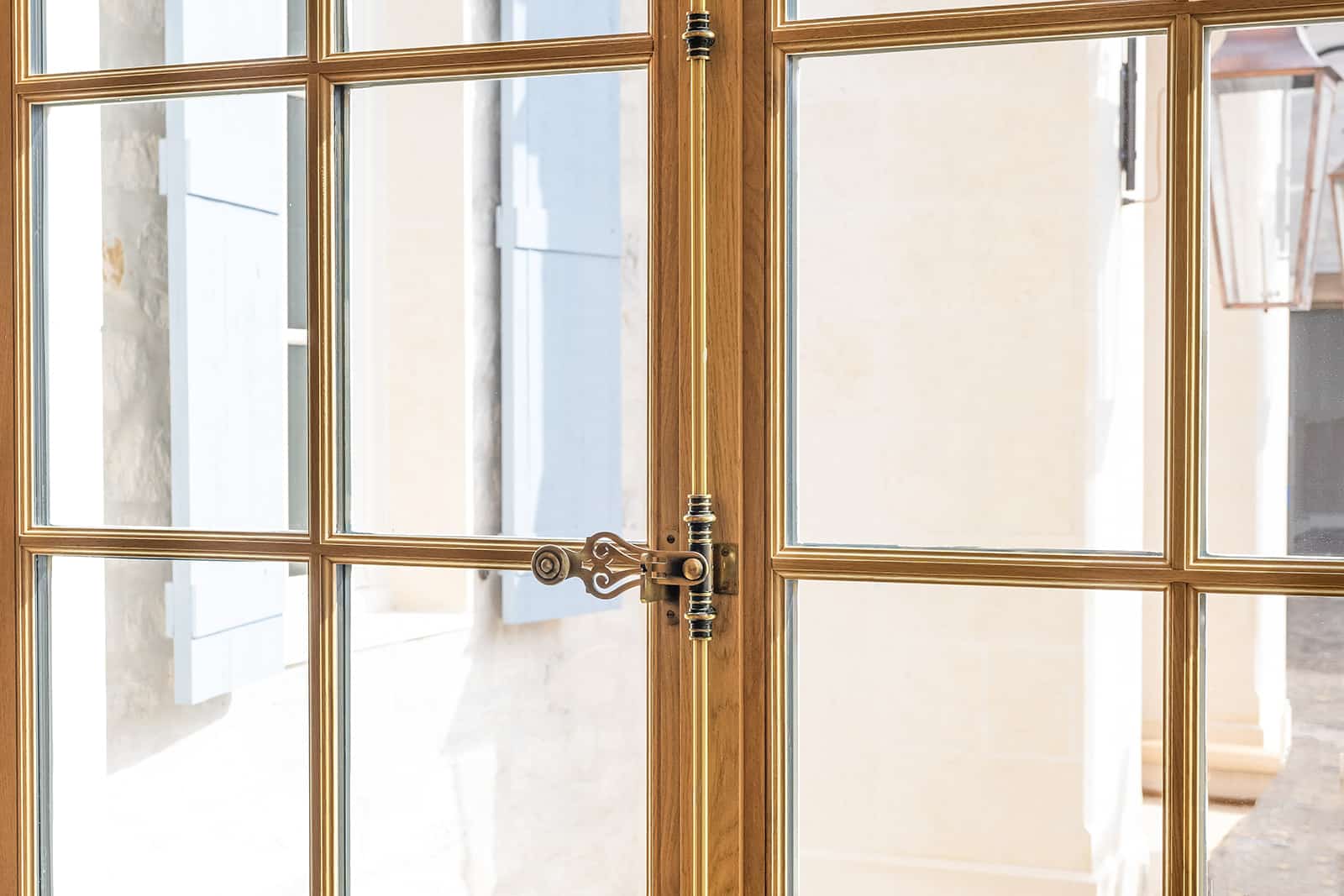
Wood is naturally suited to spaces where the window needs to feel integrated with the interior. Its visible grain, depth and tactile quality can complement timber floors, exposed beams, cabinetry and traditional architectural details.
Steel, by contrast, can bring a sharper visual character. Its inherent strength allows for slender profiles and expansive areas of glass, making it particularly effective where the window itself is intended to create a strong architectural line.
The combination can be especially compelling when a project moves between traditional and contemporary spaces. A more classical living room might call for carefully proportioned wood windows, while a stair hall, wine cellar, gallery or modern extension could benefit from the precision of steel.
Wood: warmth, proportion and architectural continuity
For traditional and transitional architecture, wood remains difficult to replace. The material has a depth and natural variation that can make a window feel like part of the architecture rather than an independent manufactured element.
Maison Janneau’s Lafayette and Versailles collections are designed around this principle. Both allow architects to customize proportions, configurations, finishes, glazing and hardware according to the project.
The Versailles collection draws from French architectural traditions, including the proportions and detailing associated with historic French windows. Lafayette offers a more adaptable interpretation of French wood windows, suitable for both traditional and contemporary projects.
For a residence with extensive millwork or natural timber throughout the interior, wood windows can also create continuity between the architecture and the furnishings.
Steel: slender profiles and graphic precision
Steel offers a different architectural vocabulary.
Its strength allows for narrow profiles and generous areas of glass, which can be useful when the design places particular emphasis on light, views or visual transparency. Steel windows can also introduce a crisp geometric quality that works well in contemporary interiors and in historic buildings where a precise, finely detailed intervention is required.
Maison Janneau’s Eiffel collection uses hand-welded steel construction and thermally broken profiles. The collection is designed for both new construction and renovation, with customizable proportions, glazing, finishes and configurations.
Steel can therefore provide contrast within a predominantly traditional house without making the overall architecture feel disconnected. The material becomes a deliberate accent rather than a competing aesthetic.
How to create cohesion between different window materials
Combining materials successfully requires more than simply selecting wood for some openings and steel for others.
The strongest projects treat the windows as part of one architectural system.
Think about the building as a whole
Start by identifying the role of each opening. Which rooms benefit from the warmth of wood? Where would a slimmer steel profile reinforce the architectural concept? Are there areas where the window needs to disappear into the interior, and others where it should become a stronger visual element?
This approach prevents material changes from feeling arbitrary.
Coordinate sightlines, proportions and finishes
Consistency does not necessarily mean using identical windows.
Instead, cohesion can come from shared proportions, aligned head heights, similar glazing divisions or carefully coordinated colors and hardware.
For example, a house might use traditional divided-light wood windows across its principal living spaces, while steel windows with similarly proportioned divisions appear in a more contemporary portion of the residence.
The materials remain visibly different, but the architecture connects them.
Consider performance alongside appearance
Material selection also affects the technical specification. Architects should consider opening dimensions, glazing requirements, thermal performance, acoustic objectives, exposure, water and air infiltration, hardware and installation conditions alongside the visual intent.
The American Institute of Architects emphasizes that frame-material selection can influence dimensions, operation, finish, hardware, glazing and the performance requirements of large openings.
For complex projects, these decisions are best resolved early, rather than after the architectural language has already been established.
A French approach to multi-material architecture
French architectural tradition has long treated windows as part of a building’s proportion and character rather than simply as technical openings.
That perspective is particularly useful when working on bespoke projects. The material, profile, hardware, glazing divisions and opening mechanism all contribute to the final architectural expression.
It is also why combining materials can be so effective.
A wood window can preserve the warmth and depth expected in a traditional interior. A steel window can introduce a lighter, more precise expression where the architecture calls for it. The objective is not to make the materials identical, but to make their differences intentional.
From Texas to future projects: Maison Janneau in practice
Maison Janneau’s experience in the United States has shown how important material selection can become when French architectural references are interpreted in an American context.
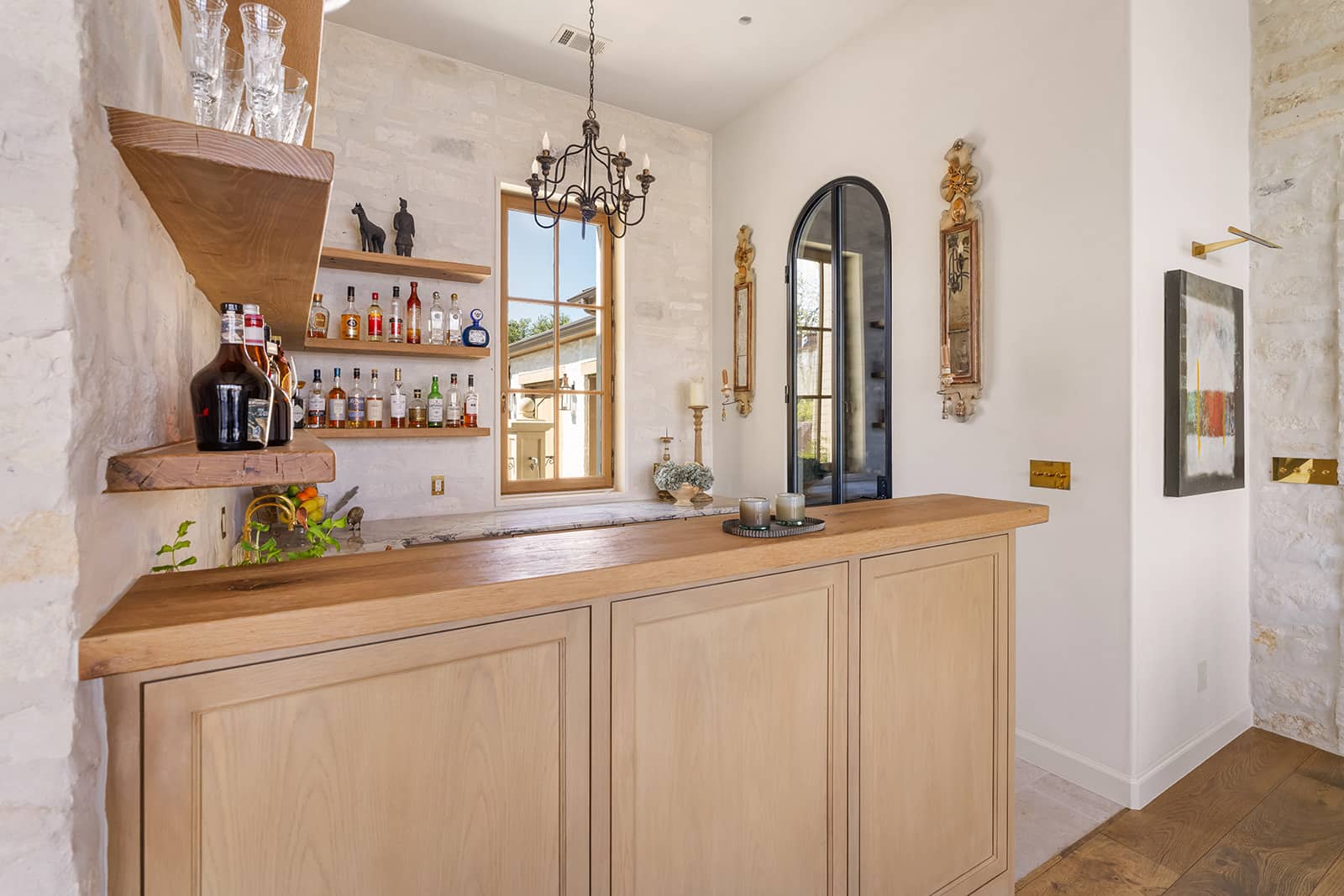
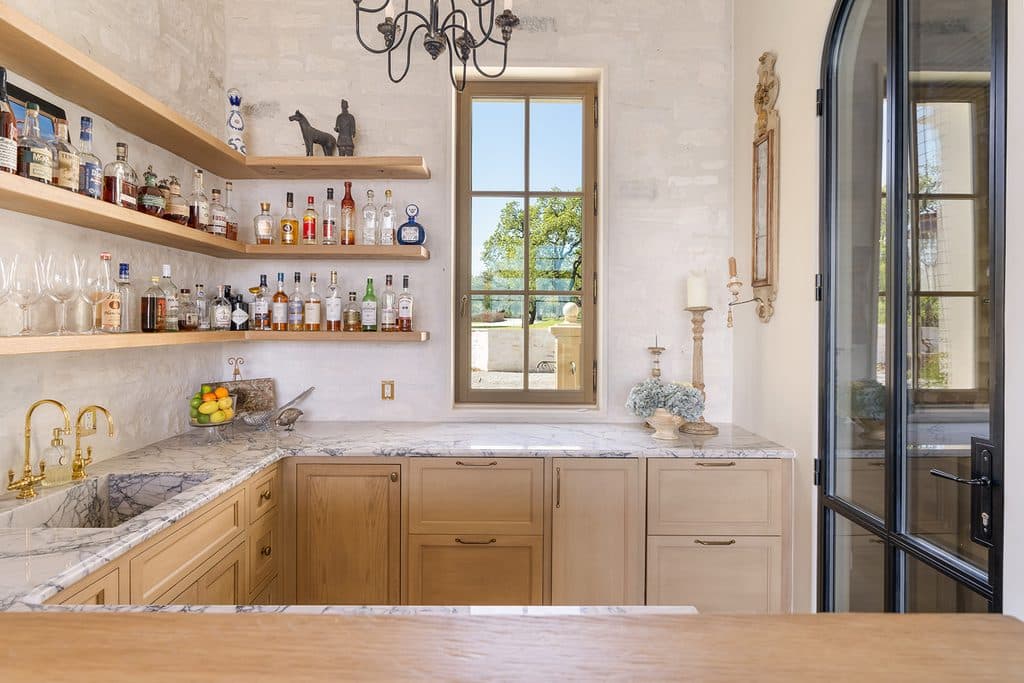
In the Texas Hill Country, Maison Janneau created 35 bespoke openings for a Provençal-inspired residence, combining fixed windows, French inswing casements, traditional Gueule de Loup windows and doors. The windows were crafted in French oak, with neutral stained interiors designed to complement the home’s exposed beams and hardwood floors.
The project demonstrates one important principle behind multi-material architecture: the window should respond to the room, the façade, the landscape and the wider material palette. Hence why steel doors were used to close the wine cellar.
A forthcoming Maison Janneau residence in Montana takes this approach further, bringing together large fixed steel windows, wood windows and doors, and aluminum accordion doors. The project illustrates how different materials can coexist within one architectural language, with each selected according to the character and function of a particular opening.
For Maison Janneau, this is where bespoke manufacturing becomes particularly valuable. Instead of asking an architect to adapt the design to a single standardized window system, different materials and configurations can be considered as part of the same project from the outset.
When wood and steel windows make sense
A multi-material approach can be particularly appropriate when a project includes:
- Traditional and contemporary architectural elements
- Large glazed openings alongside smaller, more detailed windows
- Historic-inspired interiors with modern extensions
- Different architectural volumes within one residence
- Spaces where warmth and tactility are important
- Openings where minimal steel sightlines are a priority
- Complex renovations requiring carefully matched architectural details
The result should not feel like a collection of unrelated products. The strongest multi-material projects have a clear hierarchy, with every opening contributing to the same architectural idea.
Designing the window palette from the beginning
The decision to combine wood and steel windows is most successful when made during the architectural design process, rather than treated as a late-stage product decision.
Material, proportion, sightlines, glazing, hardware, color and installation details can then be coordinated across the entire project.
For architects and designers, this creates greater freedom: wood does not have to compete with steel, and steel does not have to replace wood. Each can do what it does best.
Maison Janneau works with architects, interior designers and homeowners on bespoke residential and architectural projects, combining French manufacturing and traditional craftsmanship with contemporary technical requirements.
If you are developing a project that combines wood and steel windows, we would be pleased to discuss the architectural intent, material palette and technical requirements with you from the early stages of specification.
FAQ
What are wood and steel windows?
Wood and steel windows are windows used in the same architectural project where each material is selected for a particular design or technical purpose. Wood provides natural warmth, depth and traditional character, while steel allows for slender profiles and a more precise architectural expression. Using both materials can create visual variation while maintaining a coherent overall design.
Why combine wood and steel windows in the same house?
Combining wood and steel windows allows architects to respond to different spaces within the same residence. Wood can complement traditional rooms, timber finishes and classical proportions, while steel can work particularly well for large glazed openings, contemporary spaces or areas where slim sightlines are important. The two materials can therefore provide contrast without requiring a completely different architectural language.
Are wood and steel windows suitable for luxury homes?
Yes. Bespoke wood and steel windows are particularly suited to high-end residential projects because they can be customized around the proportions, architectural style, glazing, finishes, hardware and performance requirements of the project. The choice should be based on the design intent and technical requirements of each opening rather than applying one material universally.
Which is better: wood or steel windows?
Neither material is universally better. Wood and steel perform different architectural roles. Wood offers warmth, natural texture and strong connections with traditional architecture, while steel provides strength, slender profiles and a precise visual character. For a complex bespoke project, using both can be more appropriate than choosing one material for every opening.
Can wood and steel windows have a cohesive appearance?
Yes. Cohesion comes from coordinating elements such as proportions, sightlines, glazing divisions, colors, hardware and head heights. The materials do not need to look identical. In fact, the contrast between wood and steel can strengthen the architectural composition when the transition between them is deliberate.
What should architects consider when specifying wood and steel windows?
Architects should consider the architectural intent, opening dimensions, glazing, thermal and acoustic requirements, weather exposure, operation, hardware, finishes, installation conditions and coordination with surrounding materials. Material selection should be established early enough to influence the window schedule and construction details rather than being treated as a late product substitution.
Are steel windows suitable for traditional architecture?
Yes. Steel is not limited to contemporary architecture. Its slender profiles and ability to accommodate customized proportions can work effectively in traditional and historic-inspired buildings. The key is to specify appropriate proportions, divisions, profiles, finishes and hardware so that the steel window supports rather than conflicts with the architectural character.
Can different window materials be used in different parts of one project?
Yes. A residence can use wood windows in bedrooms and principal living spaces, for example, while using steel windows in a stair hall, wine cellar, gallery, extension or large glazed opening. The most successful approach is to establish a consistent architectural logic that explains why the material changes from one area to another.